
Creating a Pawsitive Space: How to Calm Anxious Dogs at Home

Updated: Dec 7, 2025
Creating a Calming Environment for Anxious Dogs: A Guide for Pet Owners
Creating a calming environment for anxious dogs is vital for their overall happiness and well-being. Many dogs experience anxiety from loud noises, changes in their environment, or separation from their owners. By understanding their needs and making specific adjustments at home, we can create a soothing space that helps our furry friends feel safe and secure.
Understanding Dog Anxiety
Dog anxiety can show up in different ways, such as excessive barking, destructive behavior, or withdrawal. Recognizing these signs is the first step in helping your dog. Common indicators include pacing, panting, trembling, and hiding.
Consider this: nearly 72% of dogs exhibit fear of loud noises, according to a study by the American Kennel Club. Understanding the root cause of your dog's anxiety is crucial for effective treatment. It could stem from past trauma, lack of socialization, or even a medical condition. Consulting with a veterinarian or a professional dog trainer can offer valuable insights into your dog's specific needs.
Creating a Safe Space
One of the best ways to calm an anxious dog is to create a designated safe space in your home. This area should be quiet, comfortable, and free from distractions.
Choosing the Right Location
Select a spot away from high-traffic areas and loud noises. A corner of a room or a cozy nook can work wonders. Make sure this space is easily accessible for your dog, allowing them to retreat whenever they feel overwhelmed.
Comfortable Bedding
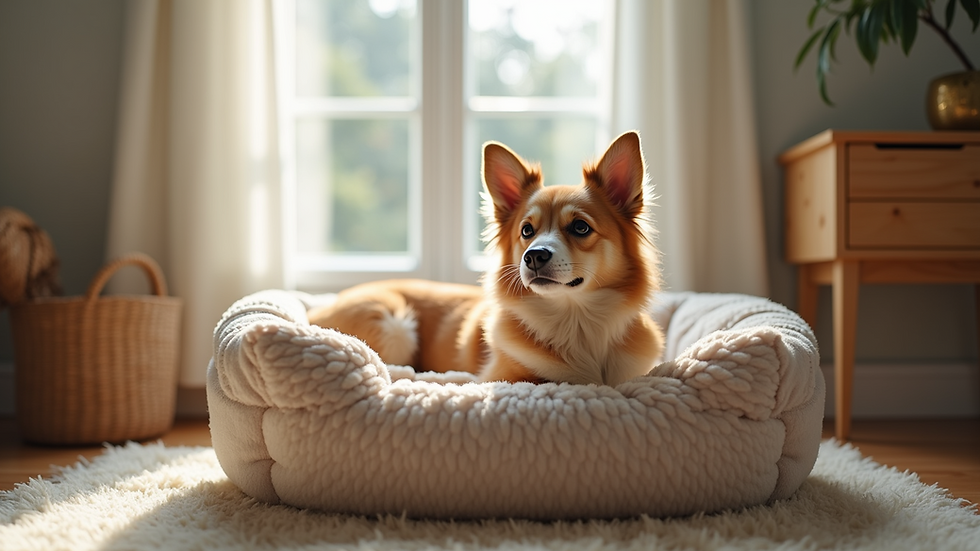
Invest in a comfortable dog bed or a soft blanket for this area. Dogs often seek comfort in cushioned spaces. Consider using a familiar blanket or a piece of your clothing—it can provide additional reassurance as it carries your scent.
Calming Accessories
Think about adding calming accessories to your dog's safe space. Consider items like a crate, calming pheromone diffusers, or even a white noise machine, which plays soothing sounds to block out distractions.
Establishing a Routine
Dogs thrive on routine, and having a consistent daily schedule can help reduce anxiety. Regular feeding times, walks, and play sessions structure their day, which can be comforting for our anxious furry friends.
Exercise and Mental Stimulation
Daily exercise is crucial for your dog's mental and physical health. Engaging in regular walks, playtime, and interactive games can significantly alleviate anxiety. A study found that dogs who received at least 30 minutes of exercise daily were 30% less likely to experience anxiety. Mental stimulation through puzzle toys or training exercises also keeps your dog's mind occupied and reduces stress.
Training Techniques
Utilizing positive reinforcement training is effective for building your dog's confidence. Teaching basic commands and rewarding good behavior helps your dog feel secure in their environment. For example, simple tricks like “sit” or “stay” can boost your dog’s confidence and strengthen your bond.
Utilizing Calming Products
Many calming products can help reduce anxiety in dogs. Here are a few to consider:
Calming Treats
Look for calming treats formulated with natural ingredients like chamomile, valerian root, or L-theanine. These components are known for their soothing properties. For example, treats with chamomile can reduce anxiety by around 65%.
Anxiety Wraps
Anxiety wraps or vests can offer gentle pressure that calms dogs. These wraps fit snugly around your dog's body, mimicking a comforting hug.
Essential Oils
Certain essential oils, such as lavender and chamomile, can promote relaxation. However, always consult with a veterinarian before using essential oils around your dog, as some can be toxic.
Creating a Calm Environment
The overall environment in your home significantly affects your dog's anxiety levels.
Noise Control
Minimize loud noises by adding rugs or curtains to absorb sound. If your dog is particularly sensitive to thunder or fireworks, create a safe space where they can retreat during these events.
Soothing Scents
Incorporate calming scents into your home by using air diffusers with dog-safe essential oils or candles designed for pets. These can create a serene atmosphere.
Soft Lighting
Bright lights can overwhelm some dogs. Opt for soft, warm lighting in your dog's safe space for a more relaxing environment.
Socialization and Exposure
While establishing a calming environment is essential, socialization is equally important. Gradually exposing your dog to new experiences, people, and other animals can help build their confidence.
Controlled Introductions
Introduce your dog to new situations in a controlled, gradual manner. Start with short interactions and slowly increase exposure as your dog becomes more comfortable.
Positive Experiences
Ensure that new experiences are rewarding by treating your dog and offering praise. This approach helps your dog associate new situations with positive outcomes, reducing anxiety over time.
The Importance of Patience
Creating a calming environment for anxious dogs is a rewarding task that can greatly enhance their quality of life. By understanding their needs, establishing a safe space, and incorporating calming techniques, we can help our furry friends feel more secure and relaxed at home.
Remember, patience and consistency are essential. Every dog is unique, and it may take time to find the right combination of strategies that works for your pet. With love and care, we can create a pawsitive space that fosters peace and tranquility for our anxious dogs.
If you have any questions regarding our trainings, reach out for Loyal Dude.


Comments